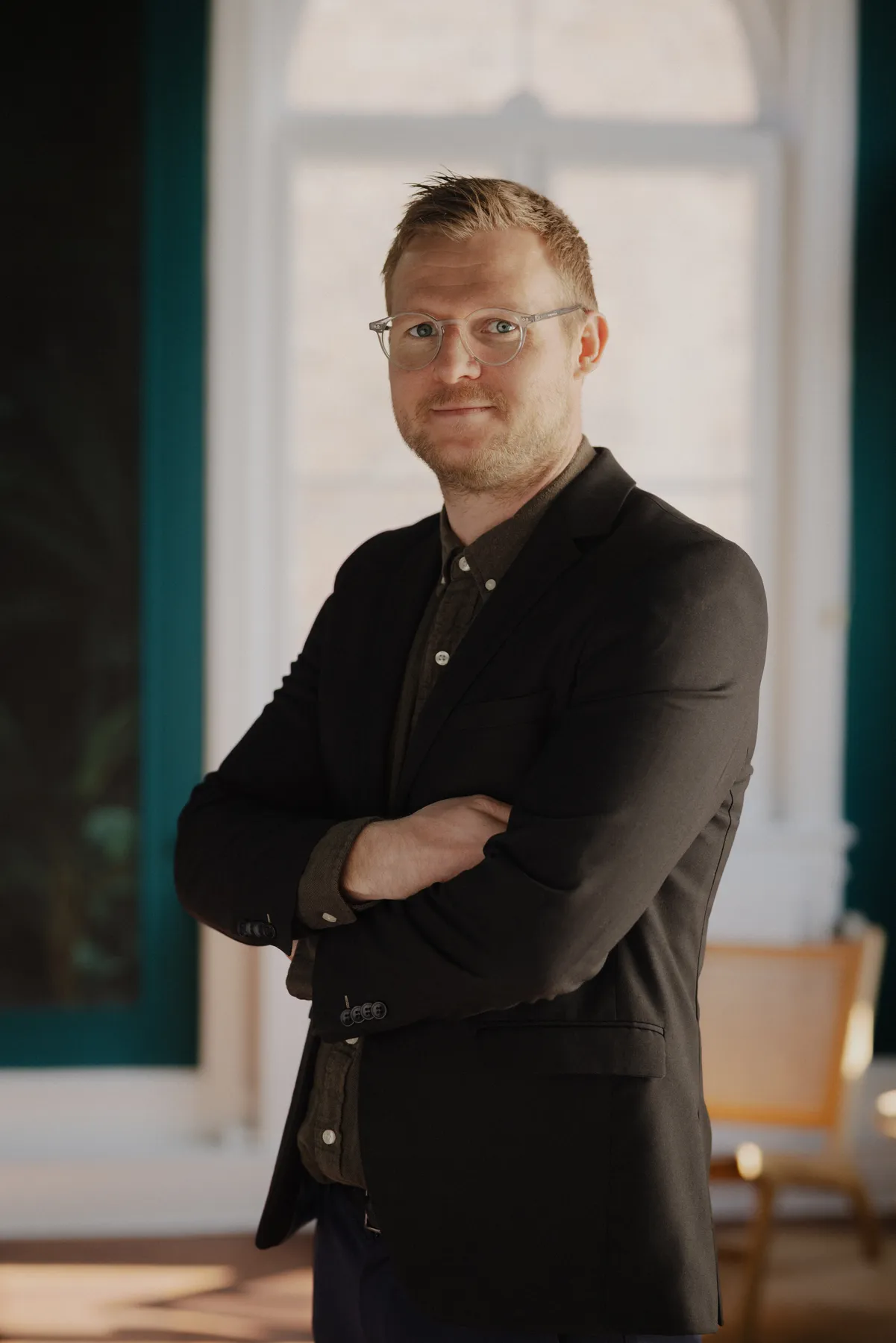
A founder's note.
There is a story leadership teams tell themselves: that strategy is what wins, that people simply execute it, and that if the plan is strong enough, the right leadership will somehow form around it. I have spent most of my career watching that story break down in real boardrooms.
The same company that will spend months pressure-testing a growth model can still appoint the person responsible for delivering it after two conversations and a strong CV. Market entry gets a framework. Financing gets diligence. Restructuring gets scenarios, analysts, and structured evidence. People decisions still get instinct. That asymmetry is one of the most consequential blind spots in how companies are built.
Because a strategy is only a document until the right people turn it into motion. The people around the table determine whether the plan becomes progress, or simply remains a plan. And yet we model the strategy and guess at the people.
Atlas exists to change that. We combine psychometrics, business context, and AI to give leadership teams a structured view of the human side of strategy: the conditions that determine whether a plan can actually be delivered. Fit. Execution risk. Team dynamics. Leadership potential. The variables that shape outcomes long before they appear in a board update.
We are not trying to replace judgement. Good leadership will always require it. But judgement should start from evidence, the same way every other strategic decision in a serious company already does.
The companies that understand this will make sharper appointments, build stronger teams, and move with more conviction. The ones that do not will keep treating their most important variable as the least measured one.
The Atlas Way.
The model surfaces the patterns. A senior consultant authors every recommendation. What you receive is considered judgement and a signed, board-ready document, not an algorithm's output.
We assess; we do not reduce. A leader is a person with context and a situation, not a score on a chart.
Every claim earns its place. We name the work before the quality of it, and we say what the evidence shows, even when it is uncomfortable.
We believe personality is contextual. We use AI to map behaviour to the specific role, team, and strategy in real time. What looks like a limitation in one seat is often an asset in another. That distinction is where the work begins.
We believe assessment value compounds. What we deliver is designed to travel into conversations, decisions, and strategy reviews long after the workshop ends. The measure of good work is how deeply it stays.
We believe the instrument is only as good as the experience of taking it. Every interaction, from the first question to the final debrief, is designed to earn trust, hold attention, and make the work feel worth doing.